
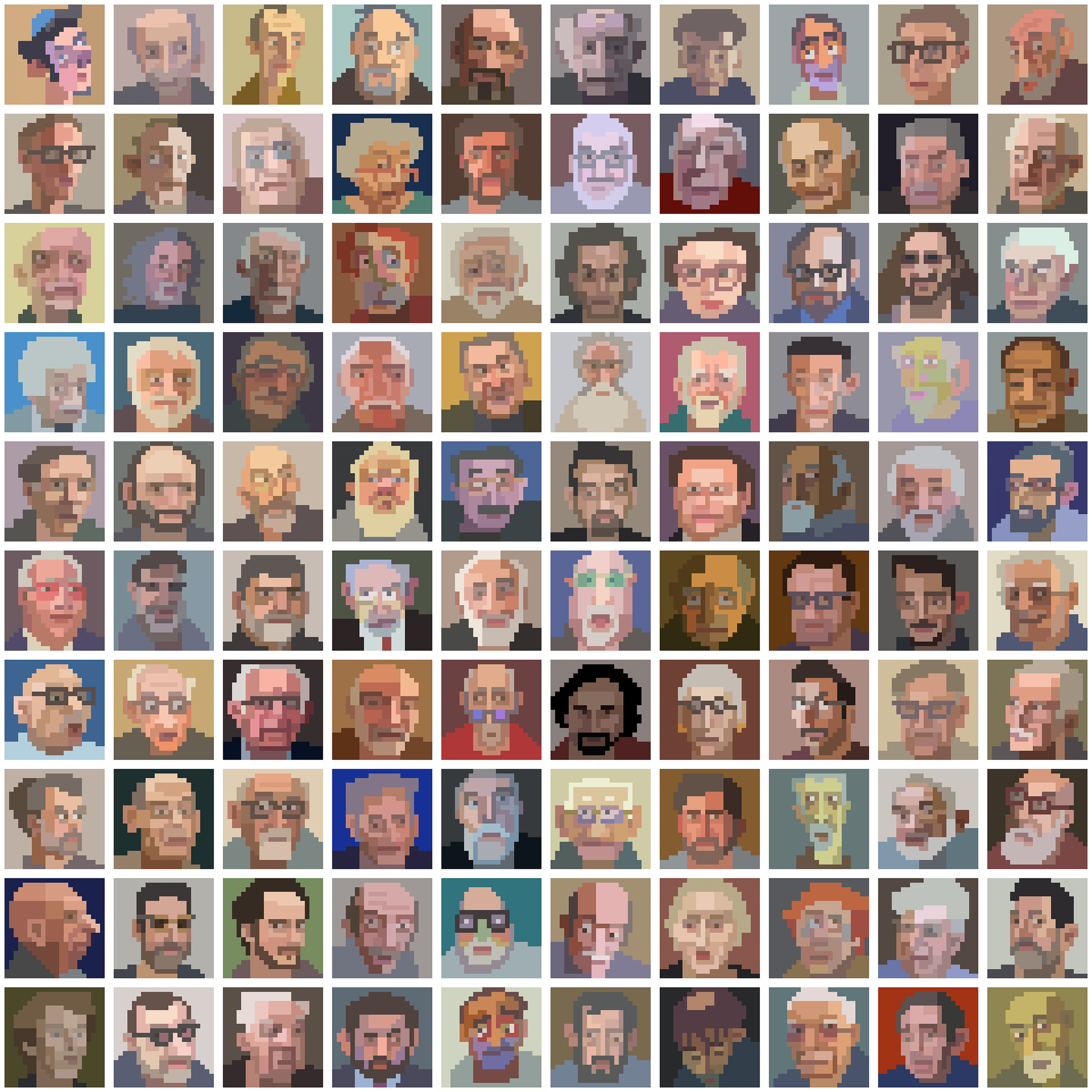
The 301st Generation, 100 Fictional and Real Archetypes, 1996-2026

I can face it

My argumentative gambit

Let it Be

A little change

Don't be rowdy

I disguised myself

Did you hear that

Good will prevail

Don’t slip
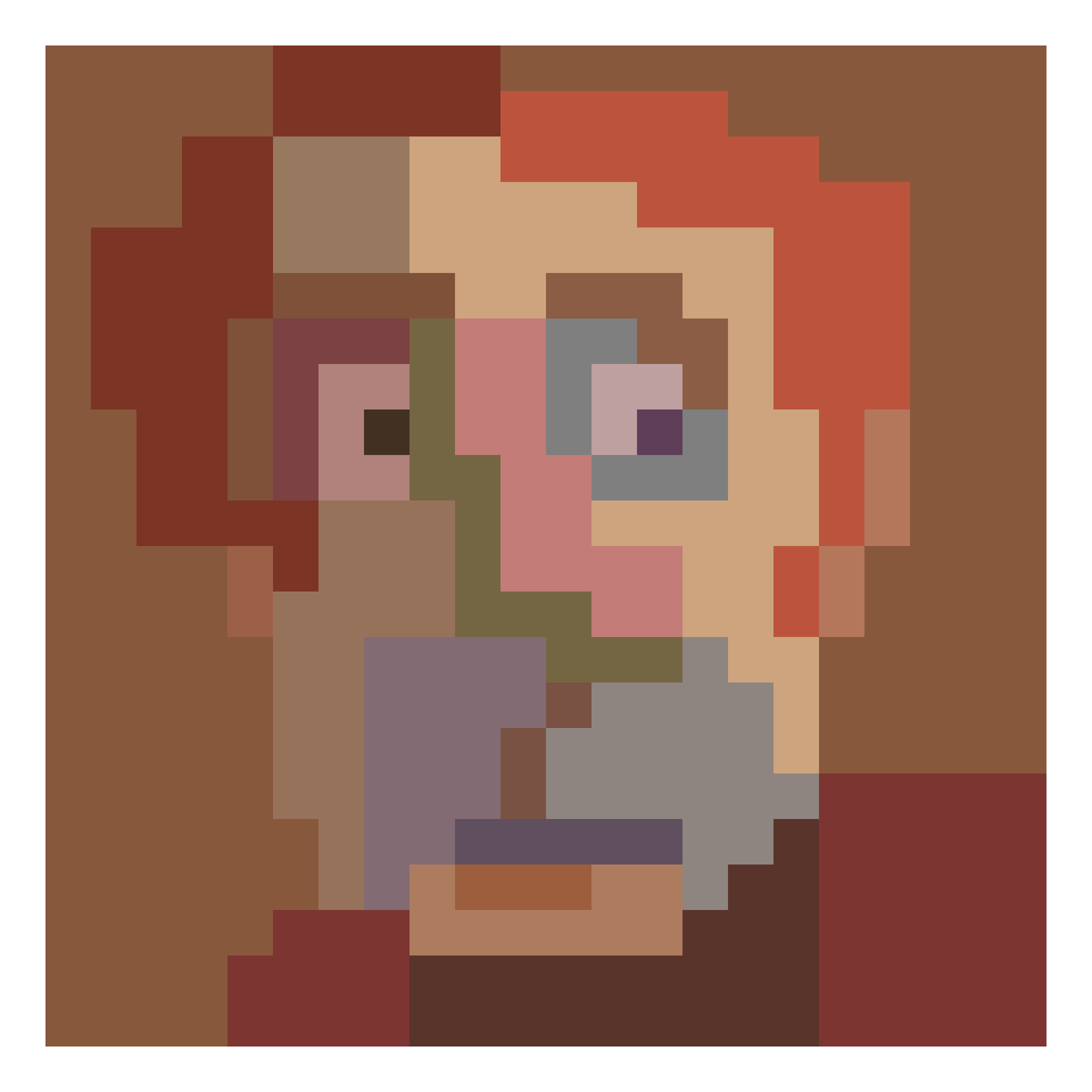
I afraid of

i don't care now

I know you

I would tell you

I’m at a loss

I'm scatterbrained

I'm sensitive

My direct gaze

search for a way out

You are different

Take away my fatigue

The news can be scary

Tired of everything

Yes, yes, as always

What's your formula?

Thin means tough

This is my mold
Living deep into the twenty-first century, surrounded by contemporary art with its new technologies and constantly shifting directions, I feel an increasing desire to look back toward my ancestors’ past. At the same time, I want to see history through the eyes of the present generation. What can it tell us today? What becomes visible when history is filtered through the language of contemporary art?
I suspect that The 301st Generation began in “Rai” (Paradise), a small Jewish-Ukrainian settlement on the banks of the Southern Bug River. Every summer of my childhood, I was taken there to my grandparents. That is where I learned to swim, where I rode an adult bicycle for the first time, slipping my leg under the frame, and where I climbed a hill overlooking the river. The sensation of height and open space invited reflection. I no longer remember what I thought about then, but the feeling of connection to that place has remained.
I was surrounded there by very serious adults, absorbed in their local concerns. They did not joke. They did not speak about the past. Anxiety and unease were permanently etched into their faces. At the time, I did not understand why. No one explained it. My childhood paradise was not darkened, yet I still felt an unspoken bond with these people.
Even now, I encounter similar faces. They carry a complex spectrum of frozen emotions. Their gaze is asymmetrical, turned inward and backward in time. These faces do not correspond to classical Greek ideals of beauty—and precisely for that reason they compel me to search for the mystery of time itself, that silent sculptor shaping such forms. I believe this “modeling” incorporates not only the personal experience of individual people, but also the continuous memory of many generations of Jews—those who endured the Exodus, centuries of dispersion, pogroms, and the Holocaust. I sense my own involvement in this temporal flow.
For context, I applied the approximate age of humanity—about six thousand years according to the Jewish calendar—to the Jewish people. Assuming a new generation emerges roughly every twenty years, this results in approximately three hundred generations. Of course, this number applies not only to Jews but to humanity as a whole. Since the figure is necessarily symbolic, I chose not to alter it—hence, The 301st Generation.